Mobile Phones
1983 – 2007
The first commercial handheld cellular phone call was made on October 13, 1983. The Motorola DynaTAC 8000X weighed 1.75 pounds, offered 30 minutes of talk time, and cost $3,995. The idea that everyone would carry one was not yet imaginable.
Within twenty-four years, mobile phones had become the most widely distributed consumer electronics device in human history. This exhibit follows that arc — from the DynaTAC through the mass-market feature phone era to the iPhone, which reset the category entirely.
Key Objects
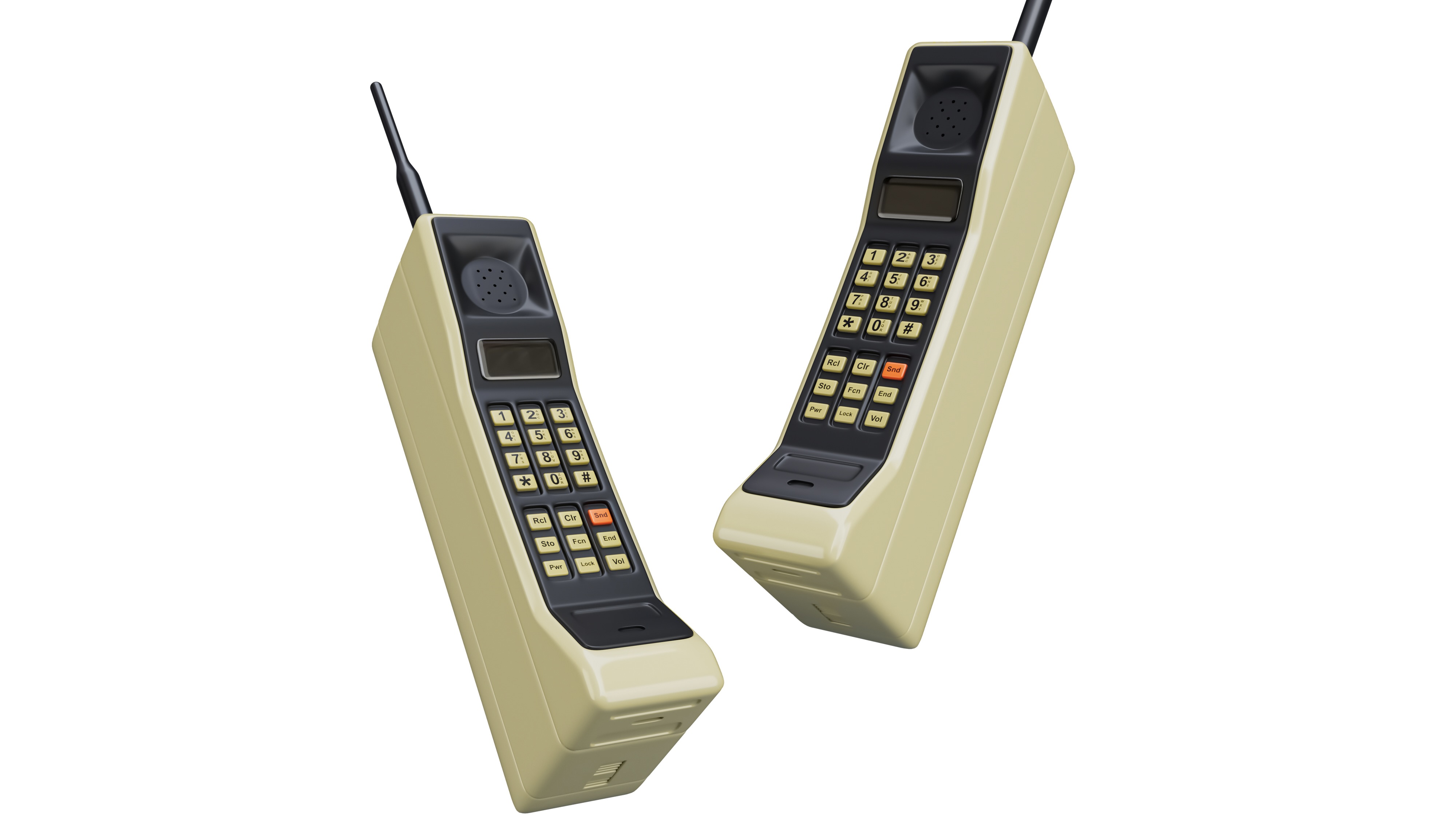
Motorola DynaTAC 8000X
The first commercially available handheld cellular phone, weighing 1.75 pounds, offering 30 minutes of talk time, and retailing for $3,995.
Curatorial Note
The DynaTAC is often presented as a curiosity. We present it as a proof of concept. Motorola engineer Martin Cooper made the first cell phone call on a prototype in 1973. The decade between that call and commercial release is a story of regulatory, infrastructure, and manufacturing problems solved one by one.
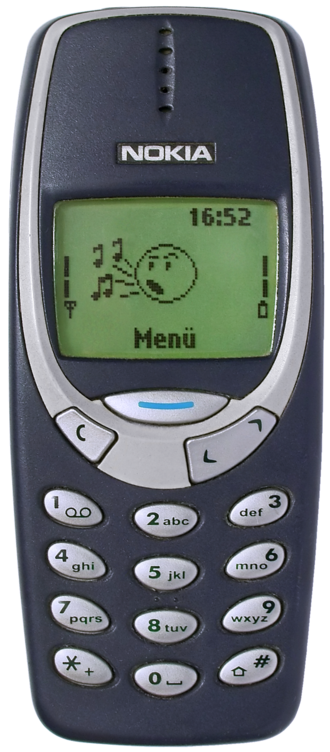
Nokia 3310
Sold over 126 million units globally and became a cultural symbol of the pre-smartphone era, representing the peak of the feature phone: affordable, durable, and universally accessible.
Curatorial Note
The Nokia 3310 is remembered for its indestructibility, but its significance is broader. It was the phone that made mobile communication genuinely democratic — affordable enough for students, durable enough for laborers, simple enough for anyone.
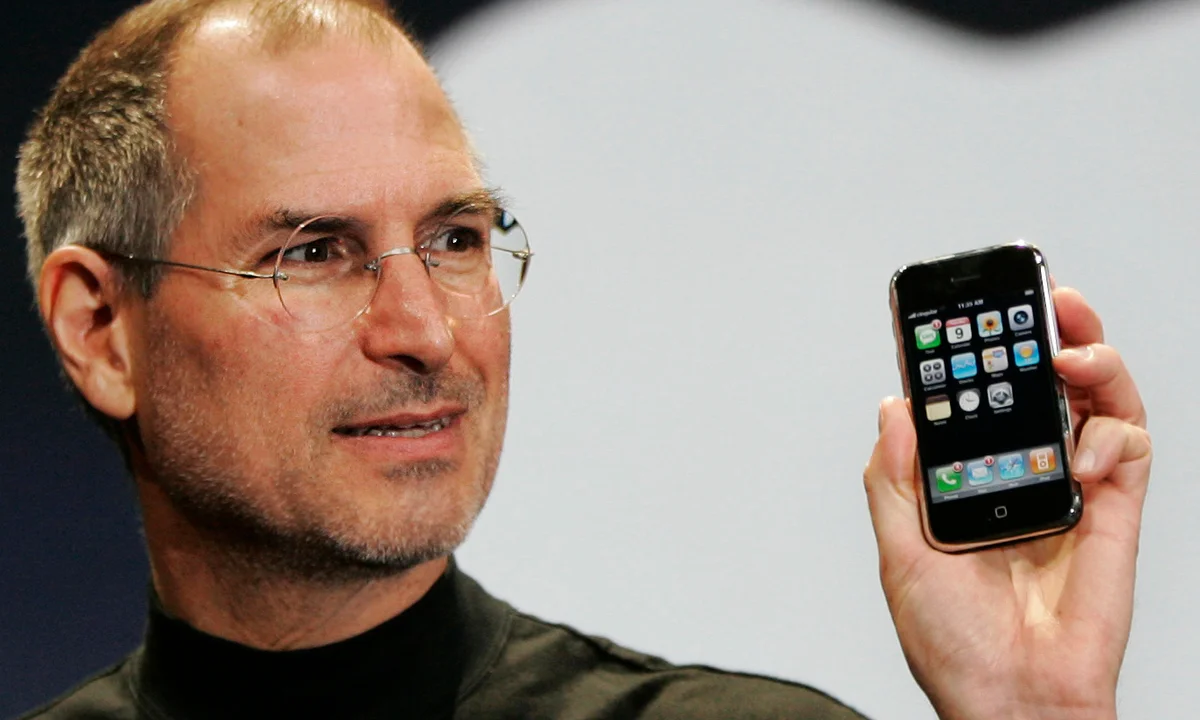
Apple iPhone (1st generation)
Introduced the modern smartphone paradigm — capacitive touchscreen, full mobile internet browser, and an application ecosystem — redefining what a phone was.
Curatorial Note
Steve Jobs described the iPhone as an iPod, a phone, and an internet communicator combined. What it actually introduced was the idea that a phone should be a general-purpose computer — a shift that made every previous phone category obsolete within five years.
The Phone as Primary Computer
Global mobile phone subscribers reached 1 billion in 2002, up from 11 million in 1990 — a growth rate with no historical precedent for a consumer technology (International Telecommunication Union).
The mobile phone changed the social meaning of availability. Before cellular phones, being unreachable was the default state. After them, it became an exception requiring explanation. The psychological implications of always-on connectivity are among the most significant behavioral shifts of the late twentieth century.
The transition from feature phones to smartphones between 2007 and 2012 marked the moment the mobile phone became the primary internet device for the majority of the world's population.
Sources & Further Reading
The following institutional sources were used in the preparation of this exhibit.
- Smithsonian InstitutionThe History of the Cell Phone
- Computer History MuseumMobile Phone History