Personal Computers
1970s – 1990s
In 1975, a computer was a room-sized machine operated by specialists behind locked doors. By 1995, it was a household appliance. The transformation took less than two decades and was driven not by corporations alone, but by hobbyists, educators, and a generation of engineers who believed that computing power should belong to individuals.
This exhibit traces the personal computer from the Altair 8800 kit through the Apple II that entered schools, to the IBM PC that standardized the industry. Each artifact represents not just a product, but a shift in who computing was for.
Key Objects
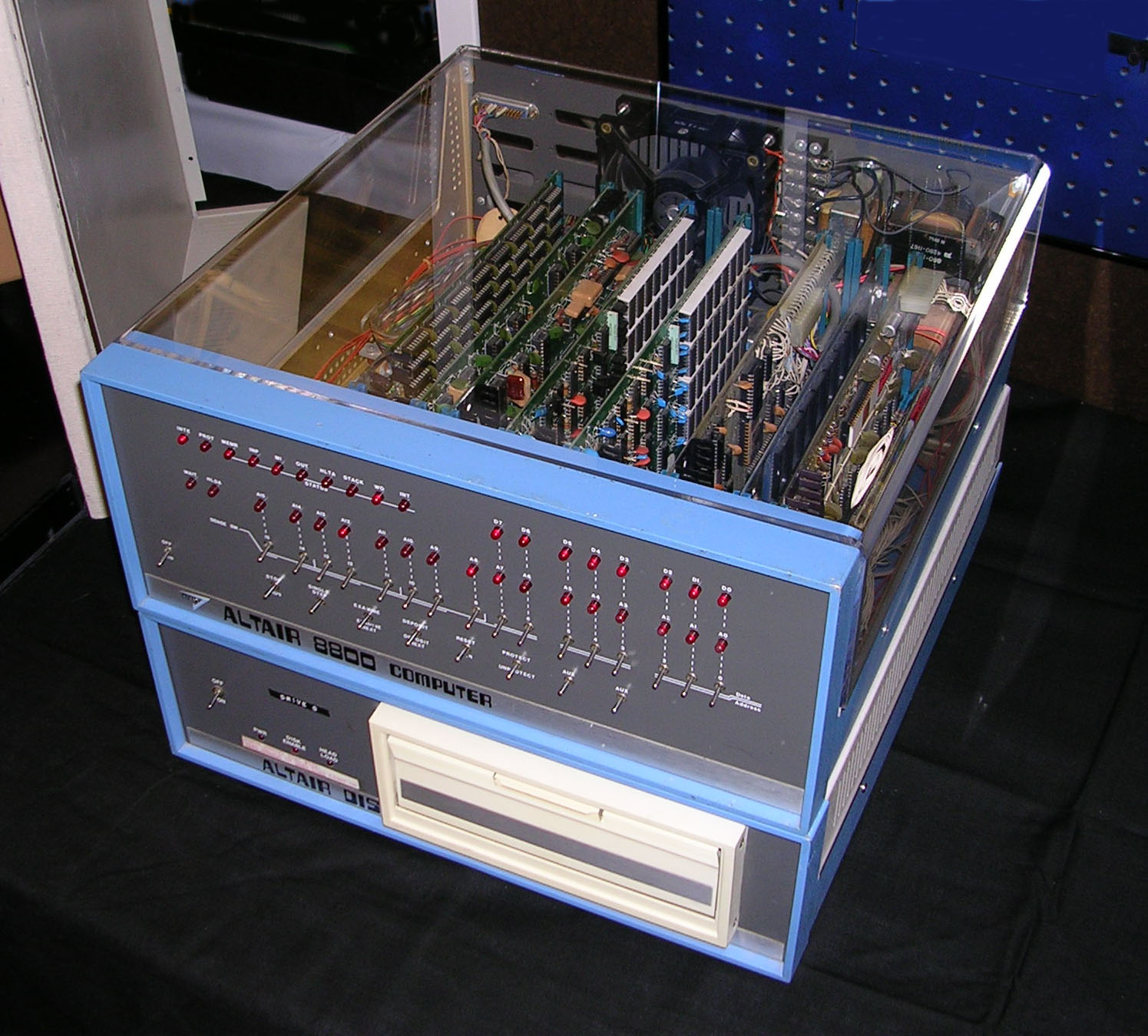
Altair 8800
The first commercially successful personal computer kit, sold by MITS for $439 to hobbyists who assembled it from parts without a keyboard, monitor, or operating system.
Curatorial Note
We selected the Altair not for what it could do but for what it started. Bill Gates and Paul Allen wrote the first version of BASIC for this machine. Its existence proved there was a market for personal computing before that market had a name.
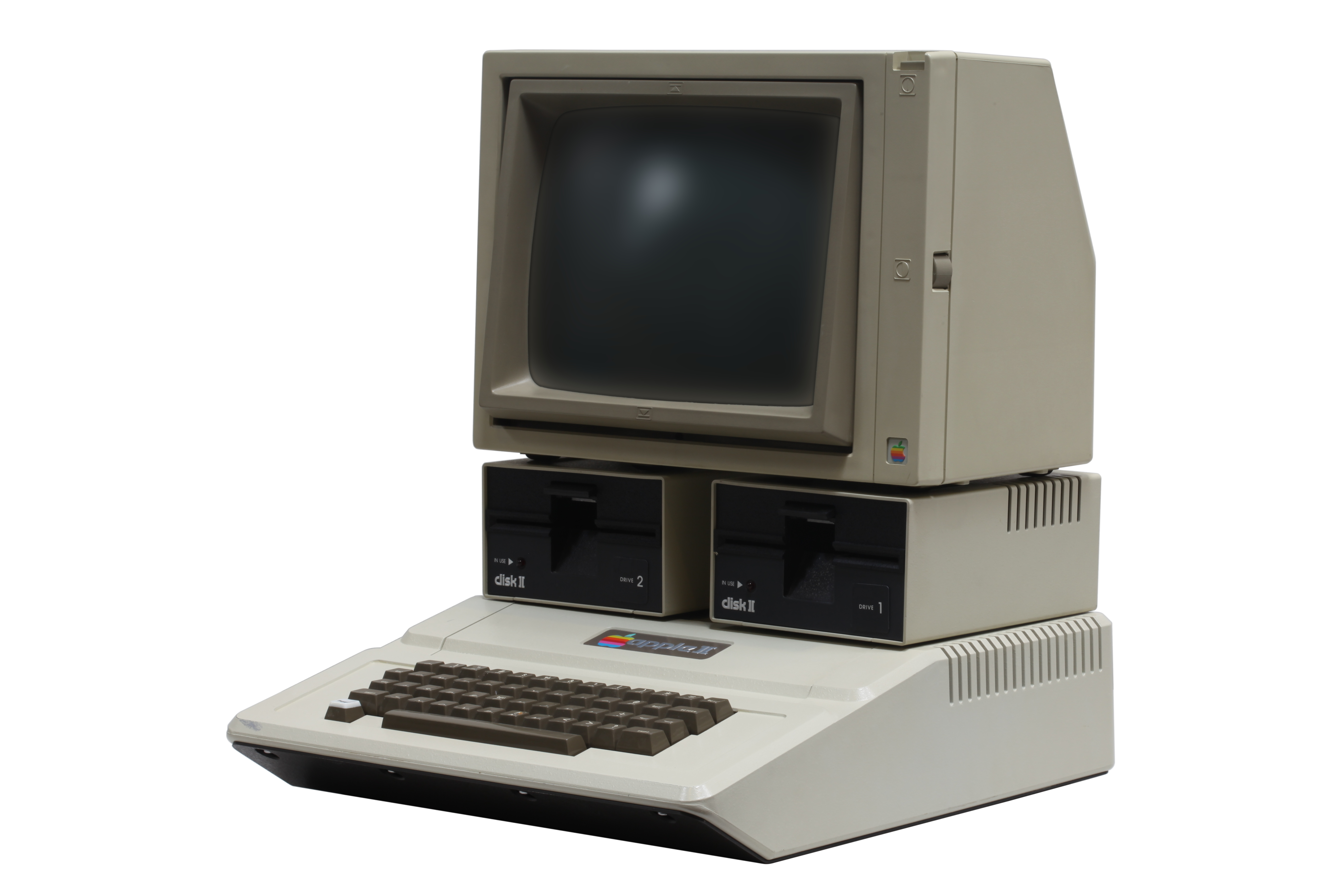
Apple II
One of the first mass-produced microcomputers with color graphics and an open expansion slot architecture, credited with bringing personal computing into American homes and classrooms.
Curatorial Note
The Apple II was the first personal computer designed to be sold to people who did not know what a personal computer was. Its educational software library — particularly VisiCalc, the first spreadsheet — made it a tool, not a hobby.
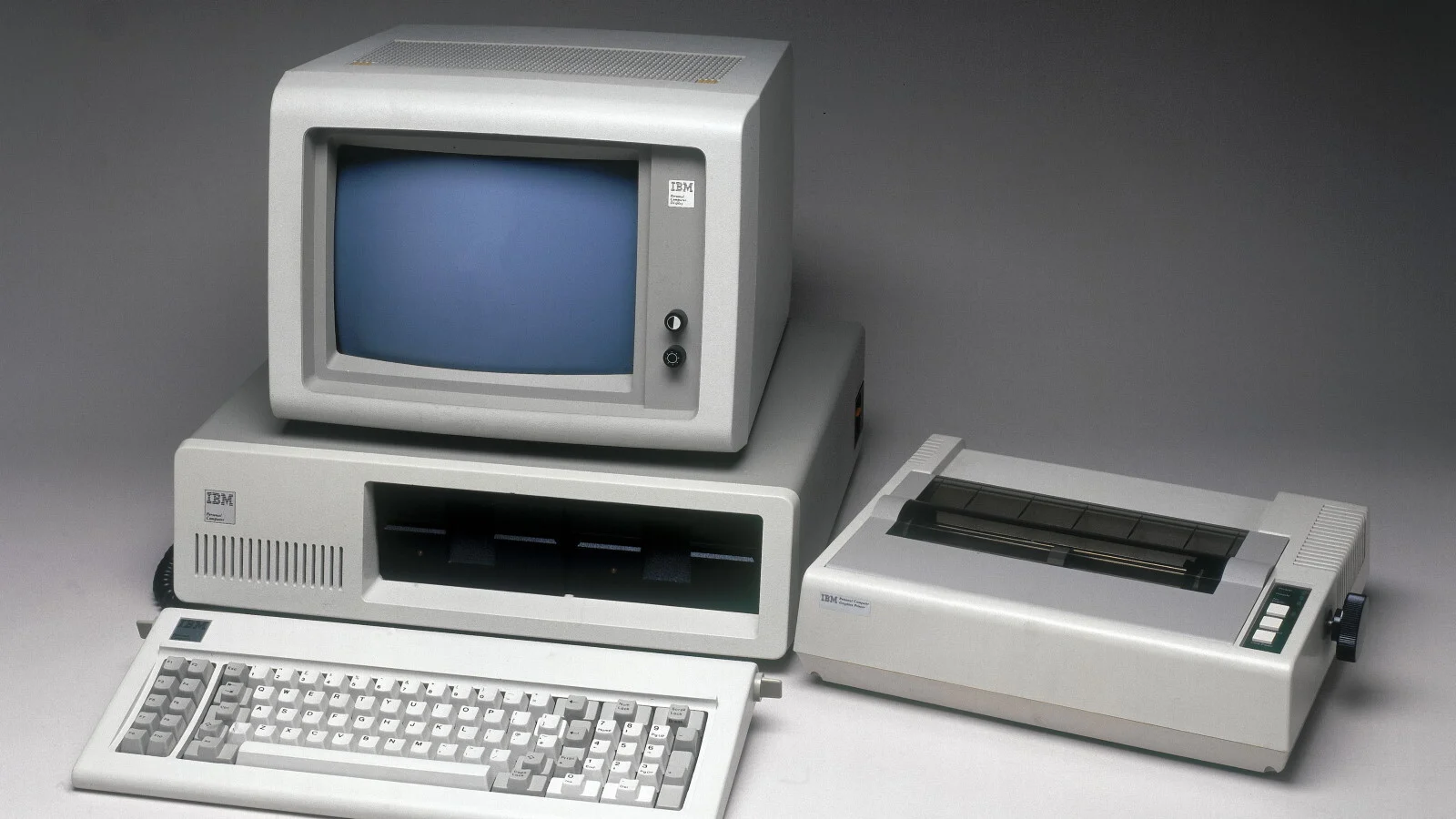
IBM PC 5150
Established the open-architecture standard by using off-the-shelf components and licensing MS-DOS, inadvertently creating the clone market that defined the PC industry for three decades.
Curatorial Note
IBM intended to control the PC market. By licensing rather than owning the operating system, they lost that control — and in doing so, made the personal computer universal. The IBM PC is as historically significant for what IBM got wrong as for what it got right.
How the PC Changed Daily Life
By 1984, approximately 8% of U.S. households owned a personal computer. By 2000, that figure exceeded 50% — a rate of adoption faster than the telephone, the television, or the automobile at comparable stages of their histories (U.S. Census Bureau).
The personal computer did not simply automate existing tasks. It created new ones. Word processing replaced the typewriter. Spreadsheets replaced the accountant's ledger. Desktop publishing replaced the print shop for small publishers. Each replacement was also an expansion.
The PC's deepest cultural impact was the normalization of personal data. For the first time, ordinary people maintained digital records of their finances, correspondence, creative work, and personal history. The implications of that shift are still unfolding.
Sources & Further Reading
The following institutional sources were used in the preparation of this exhibit.
- Computer History MuseumTimeline of Computer History
- BritannicaComputer: Home Use, Microprocessors, and Software