Music Players
1979 – 2004
Before 1979, music was either communal or stationary. The Sony Walkman changed that. For the first time, music followed the listener — onto the subway, into the park, through the school hallway.
This exhibit traces portable music from the Walkman through the CD era and the MP3 player legal battles to the iPod, which solved not just the hardware problem but the distribution problem.
Key Objects
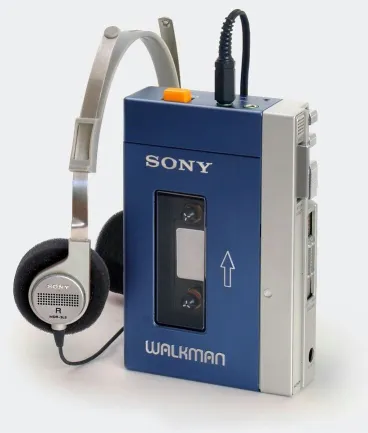
Sony Walkman TPS-L2
The first commercially successful portable cassette player, which created the concept of personal mobile music and sold over 400 million units across its product lifetime.
Curatorial Note
Sony co-founder Masaru Ibuka wanted a portable player for long-haul flights. The Walkman was initially dismissed by Sony marketing. We include it as a case study in the failure of market research to predict category-creating products.
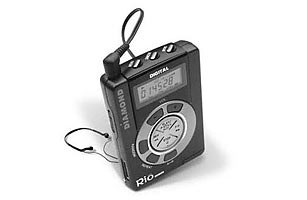
Diamond Rio PMP300
One of the first mass-market portable MP3 players, which triggered an RIAA lawsuit — a legal battle the RIAA lost, establishing the legitimacy of portable digital music.
Curatorial Note
When a federal court ruled that the Rio did not violate copyright law, it established that consumers had the right to make personal copies of music they owned. That ruling cleared the path for every MP3 player and digital music service that followed.
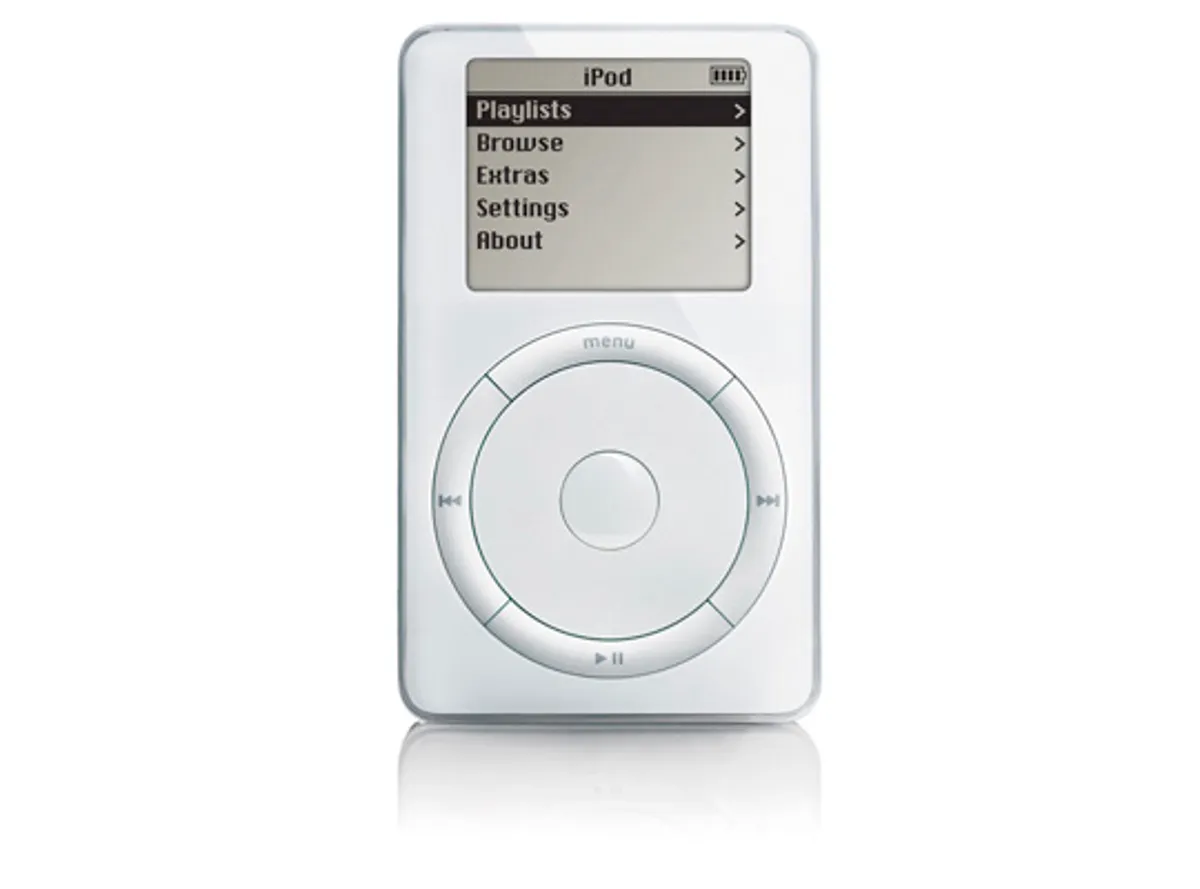
Apple iPod (1st generation)
The first portable music player to combine a large hard drive, a scroll-wheel interface, and seamless desktop library integration.
Curatorial Note
The iPod did not invent the portable MP3 player. It solved the problems that made existing players frustrating. Its deeper contribution was demonstrating that hardware, software, and a content ecosystem must be designed as a single system.
Music, Solitude, and Public Space
By 2004, the iPod accounted for 92% of the hard-drive-based music player market in the United States (NPD Group). By 2006, Apple had sold 67 million iPods.
The portable music player made it socially acceptable to be mentally present in a private sonic world while physically present in a public space. Sociologists identified new forms of urban behavior tied directly to personal audio: altered pace of walking, reduced social interaction, changed experience of commuting.
The iPod's integration with the iTunes Music Store in 2003 established the 99-cent single as the new unit of music commerce and accelerated the decline of the album as the standard purchase.
Sources & Further Reading
The following institutional sources were used in the preparation of this exhibit.
- Smithsonian InstitutionHow the Walkman Changed the Way We Listen to Music
- Computer History MuseumPortable Music Players